Fresh Plantings and Mulch That Make a Property Feel Complete
There's a difference between a yard that's maintained and a yard that looks intentional. That gap usually comes down to the beds - whether they have structure, color, and something actually growing in them. That's exactly what we tackled across a handful of planting installs recently.
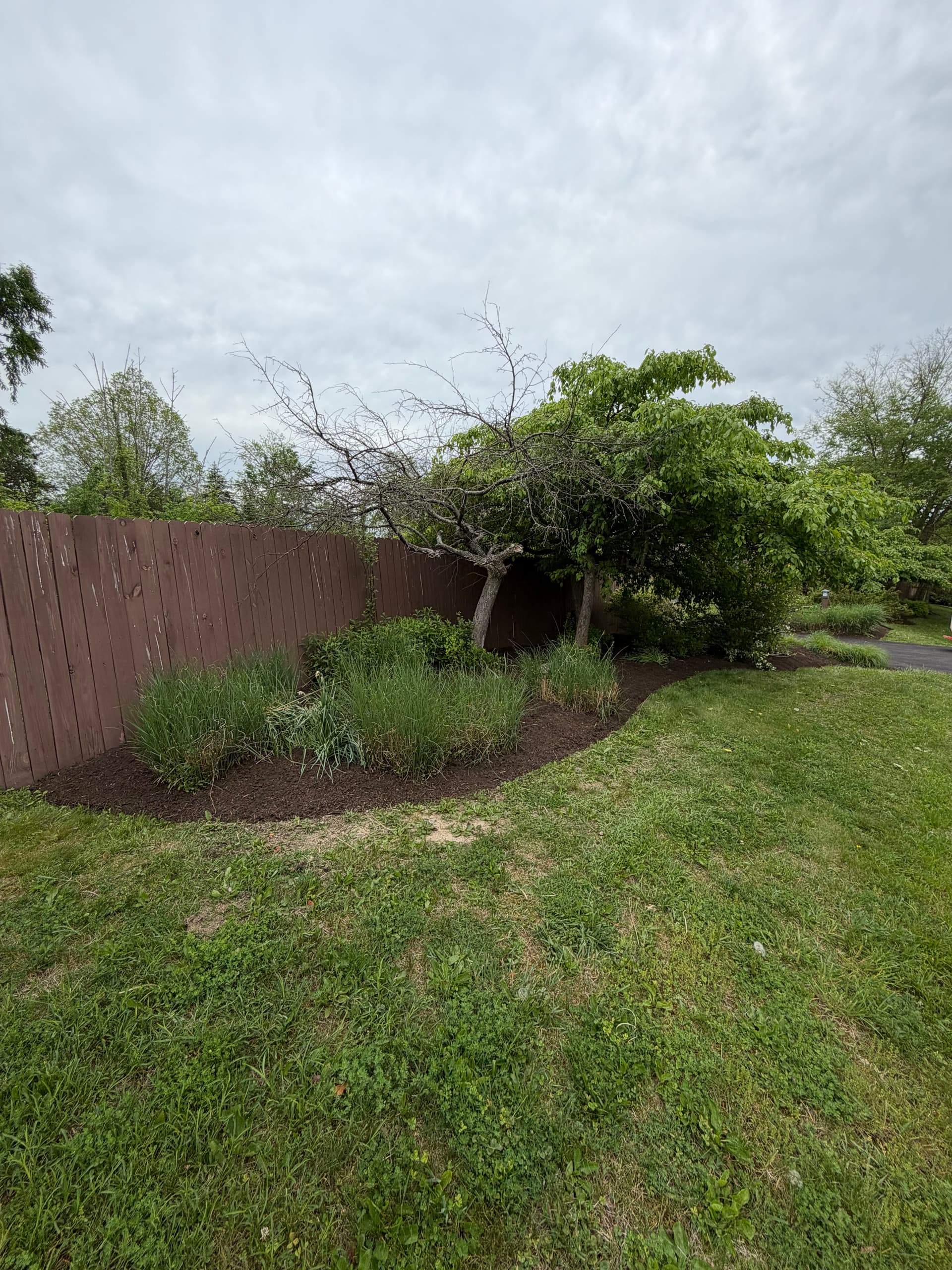
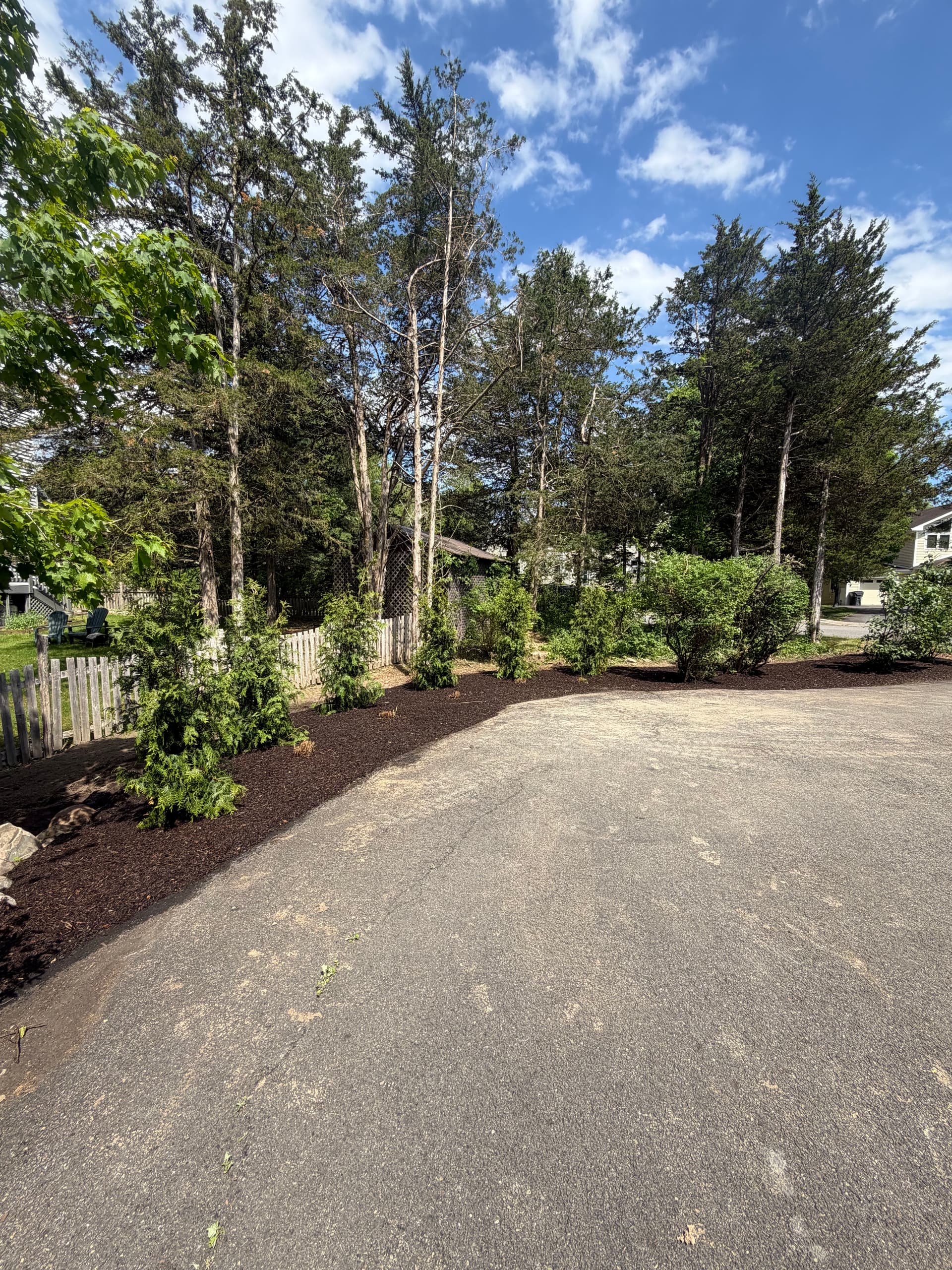
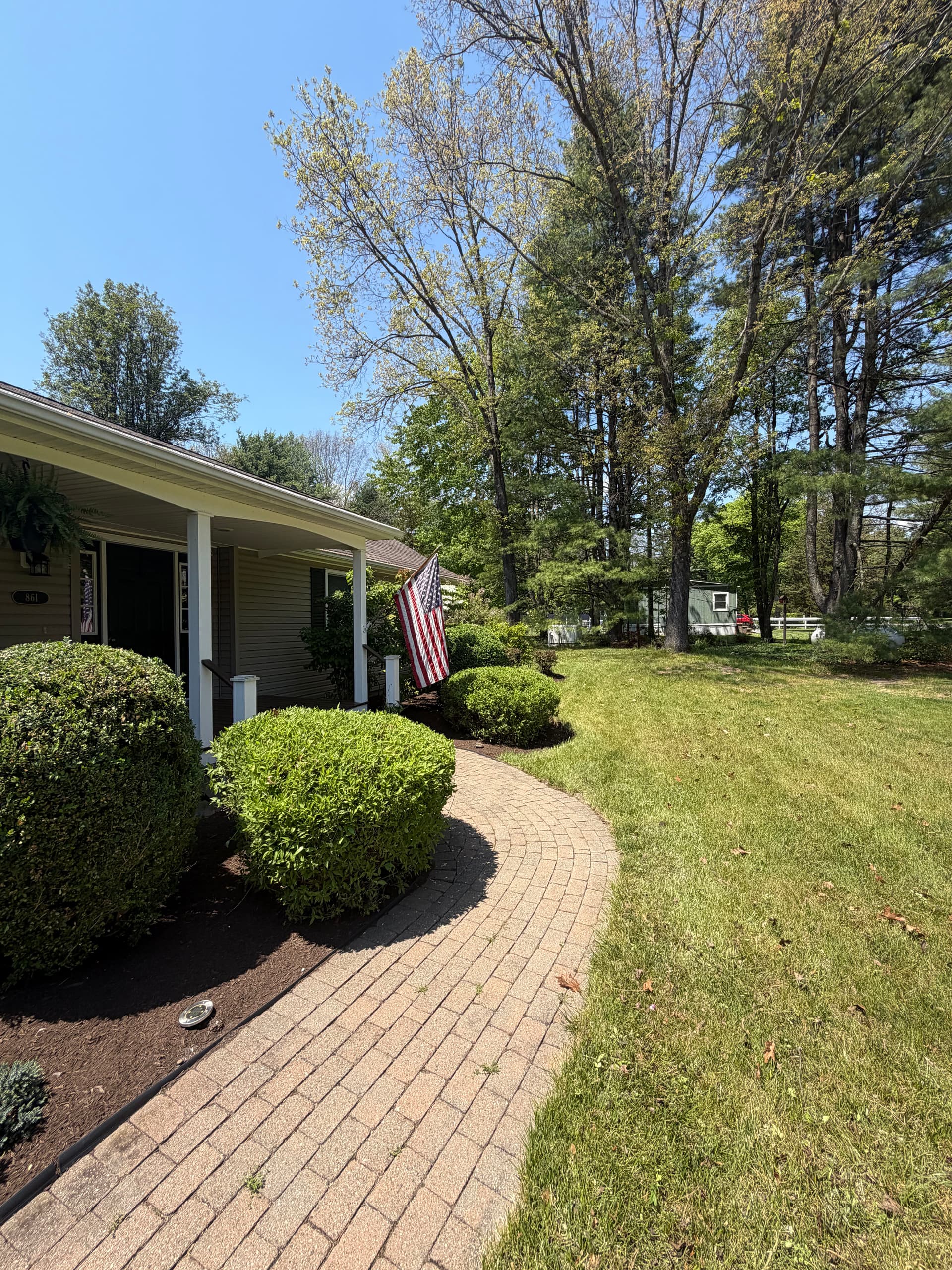
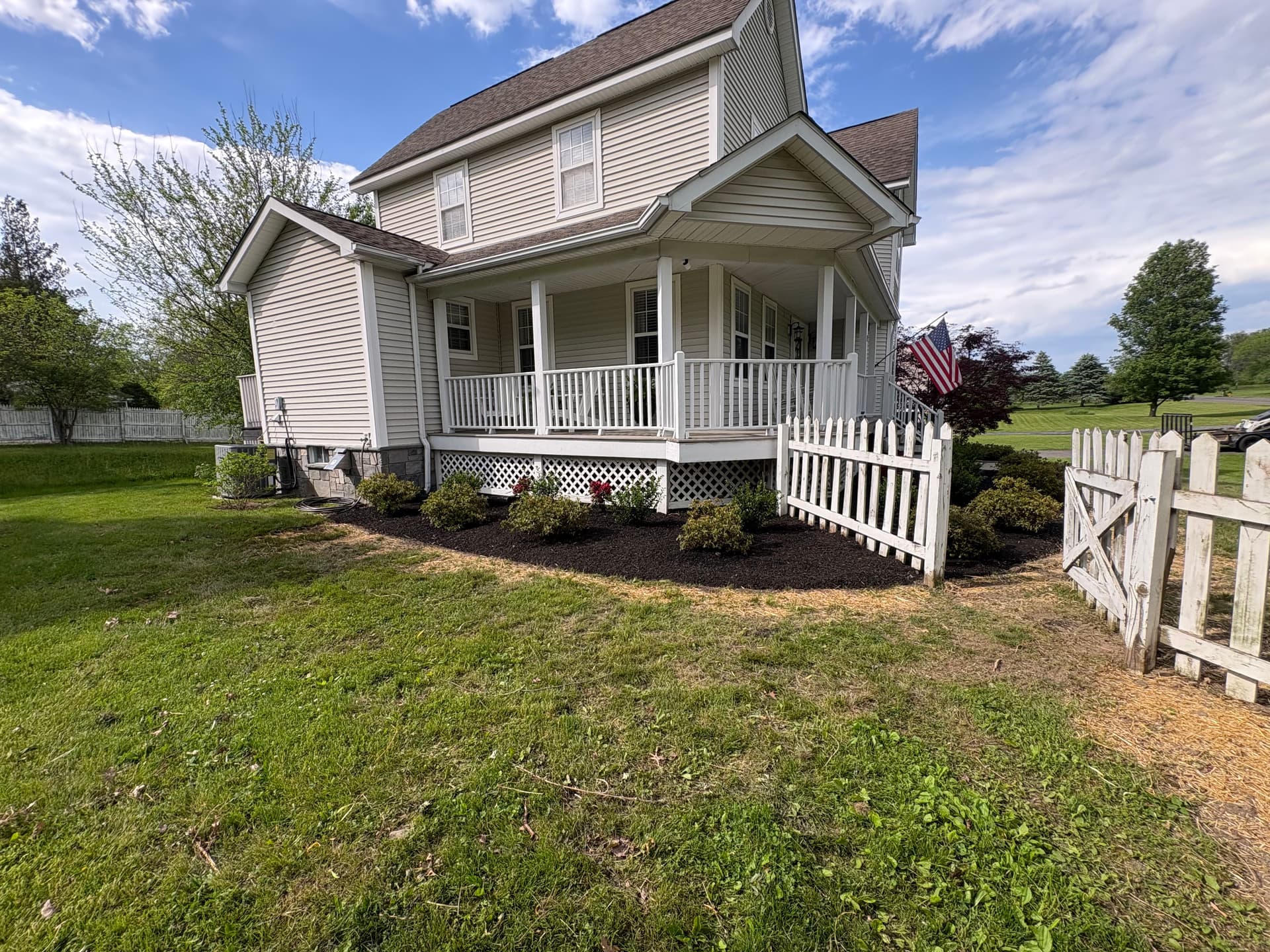
Each property had its own personality. One had a long fence line bed that needed ornamental grasses and layered texture to fill the space without looking cluttered. Another had a wide driveway border that was basically bare under some mature trees - we came in with new shrubs and a thick layer of dark mulch to anchor the whole thing and give it a finished edge. A third had foundation beds along a charming front porch that just needed some compact shrubs and a pop of color to tie the house together.
What we love about planting work is that it keeps getting better. Right after install, everything looks clean and intentional. A few months from now, those plants start to fill in, the mulch settles, and the whole bed takes on a life of its own. You're not just paying for how it looks on day one - you're investing in how it looks for years.
The mulch matters more than people think. Fresh dark mulch does a few things at once - it suppresses weeds, holds moisture around new roots, and creates that clean contrast that makes every plant pop. Paired with the right selections for the space, it's one of the most cost-effective upgrades you can make to a property's appearance. And on properties with existing walkways and established lawn, a well-planted and mulched bed ties everything together in a way that's hard to put a price on.
If your beds are looking tired, sparse, or just kind of unfinished, that's a solvable problem. A solid planting plan with the right plants and good mulch coverage goes a long way - and it doesn't take as much as you might think to make a real difference.